
There's a 195-acre wetland tucked into the northwest side of West Lafayette that draws birders from across Indiana, the Midwest, and beyond. It's free. It's open dawn to dusk. And it has more recorded bird species than some state parks twice its size.
Celery Bog Nature Area is one of the top five locations in Indiana for observing migratory birds, according to the state's birding trail program. Over 260 species have been recorded on eBird at this single site. In April, migration is in full swing, and the bog is at its most active. If you've never been, now is the time.
How a Celery Farm Became a Birding Hotspot
The name isn't random. For much of the twentieth century, this wetland was a large vegetable farm supplying fresh produce to more than 80 grocers in the region. Immigrants from northern Holland farmed the rich peat soil, using experience with similar ground in their native land. They grew celery, onions, carrots, tomatoes, potatoes, green beans, peas, and cabbage, tilling the acres by hand and watering with sprinkler cans when needed.
The peat soil was productive but unpredictable. On hot days, the soil itself would smolder. One year, the planting beds caught fire and burned for weeks. Drainage tiles and other traces of those farming operations can still be found in the bog today.
The farms were eventually abandoned in the 1960s, and over time, the wetland reclaimed the land. What emerged is a 195-acre nature area with five wetland basins covering roughly 105 acres, surrounded by woods, savanna, and prairie. Indiana's Department of Natural Resources lists it as one of the "significant sites" in the state through its Natural Heritage Program.
What Makes the Birding So Good
Stay IN the Know
Get the best of Indiana delivered to your inbox every week.
Celery Bog sits on a major migratory flyway, and the combination of open water, marsh, prairie, and woodland edges creates habitat diversity that attracts an unusually wide range of species for a relatively small area.
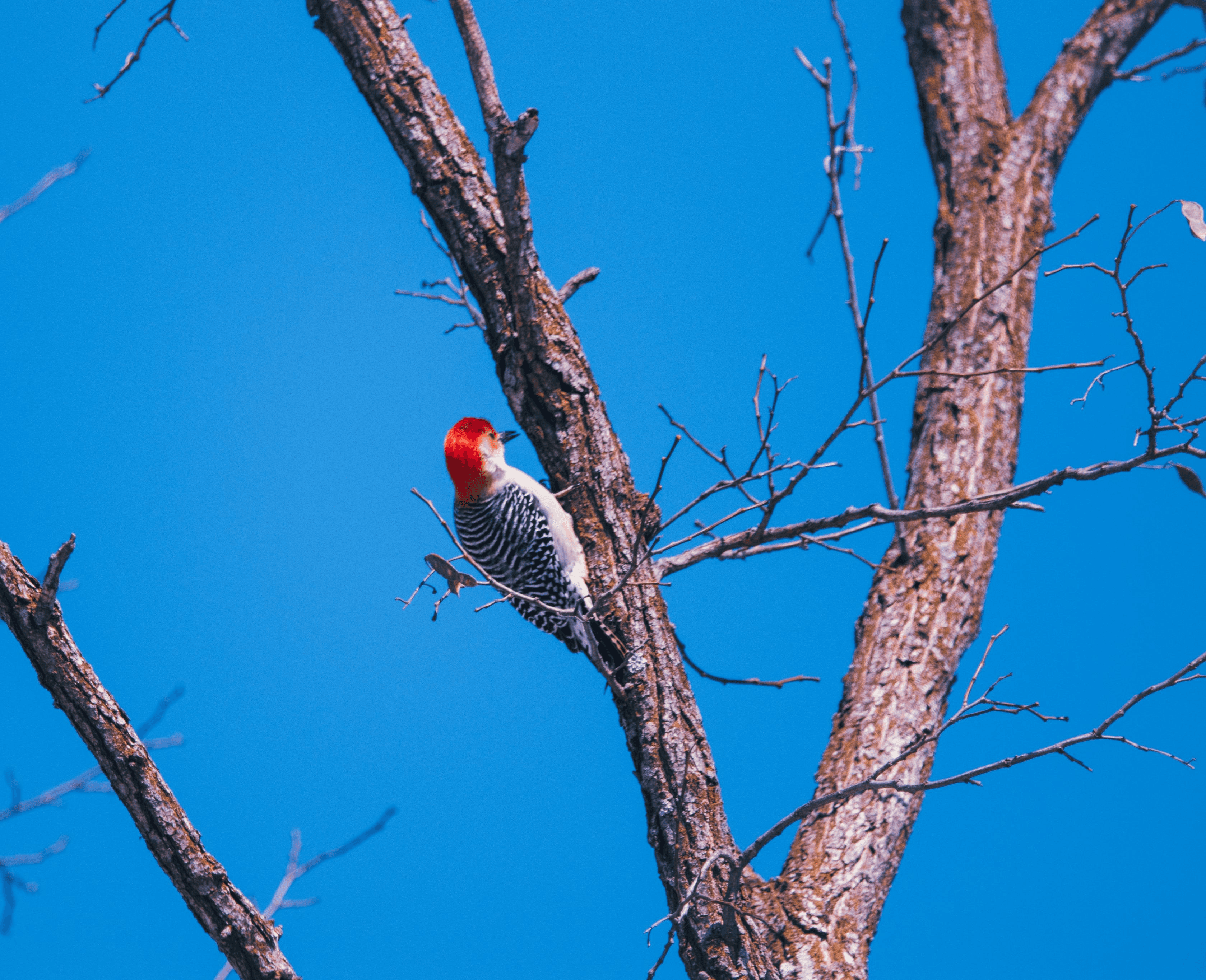
The 260 species recorded on eBird include warblers, flycatchers, vireos, orioles, buntings, sparrows, herons, and a long list of waterfowl. Spring and fall migration are the peak seasons, when the variety of species passing through on any given morning can be remarkable. But the bog delivers year-round. Resident species like Eastern Screech-Owls are regularly spotted, and winter brings migratory birds to the frozen wetland surface.
The Trails
Celery Bog has 4.3 miles of paved trails and 2.5 miles of natural paths through woods, savanna, prairie, and along the western edge of the bog. The paved Cattail Trail connects to the broader West Lafayette trail system, making it accessible for bikes, strollers, and wheelchairs. The natural trails are where the serious birding happens, winding closer to the water's edge with interpretive signs and audio informational units along the way.
A word of warning: the natural trails can get muddy. In early spring and after heavy rain, sections along the bog become nearly impassable without waterproof boots. This isn't a manicured park path. Parts of it feel genuinely wild, which is exactly the point. If your shoes can't handle mud, stick to the paved trails. If you want the best birding, bring boots you don't mind getting dirty.
Start at the Lilly Nature Center
If it's your first visit, start at the Lilly Nature Center. It sits right inside the park entrance and includes a bird observation area, children's activity area, educational displays, and exhibits about the wetland ecosystem. Family Environmental Fun Packs are available for checkout, which is a nice touch for families with kids who want a more guided experience.
The nature center is open Wednesday through Saturday from 10 a.m. to 5 p.m. and Sunday from 1 to 5 p.m. It's closed Mondays, Tuesdays, federal holidays, and on home Purdue football game days.
The staff here can point you to the best current birding spots in the park, which shift with the seasons and water levels. If you're visiting during spring migration, ask what's been sighted that week. The birding community at Celery Bog is active and generous with information.
Stay IN the Know
Get the best of Indiana delivered to your inbox every week.
The Details
Location: 1620 Lindberg Road, West Lafayette, IN 47906
Cost: Free, no admission or parking fees Hours: Dawn to dusk, year-round
Lilly Nature Center: Wednesday-Saturday 10 a.m. to 5 p.m., Sunday 1-5 p.m., closed Monday-Tuesday
Trails: 4.3 miles paved, 2.5 miles natural
Rules: No fishing, boating, swimming, or drones
A Wetland Worth the Drive
Celery Bog doesn't look like much from the Lindberg Road bridge. It's easy to drive past it and not realize what's there. But step onto the trails, walk to the first observation deck, and spend 30 minutes watching what moves through the marsh, and you'll understand why birders keep coming back.
A Dutch celery farm that burned from the inside out, abandoned in the 1960s, and slowly reclaimed by nature into one of Indiana's most significant wetland habitats. That's a good Indiana story.
For more hidden gems and outdoor destinations across the state, check out the Get Indiana newsletter.